Designing a Dental Waiting Room That Reduces Anxiety and Builds Referrals
Most Indian dental clinics spend lakhs on chairs, sterilisation equipment, and imaging, then treat the waiting room as an afterthought. Yet the waiting room is where patients form most of their opinion about your clinic, often before they have even met the dentist. A 15-minute wait in a cramped, silent room feels worse than a 30-minute wait in a comfortable one where patients know what is happening.
This matters directly for growth. Practo and Google reviews frequently mention "waiting time" and "staff behaviour" even when the treatment itself was fine. Word-of-mouth referrals, still the top source of new patients for most Indian clinics, depend heavily on this first impression.
Why the waiting room affects anxiety and referrals
Dental anxiety is common, and an unmanaged wait amplifies it. Patients sit with uncertainty about pain, cost, and time, and an uncomfortable room adds physical discomfort on top of that. Comfortable, transparent waits lower stress hormones and make patients more receptive during consultation, which also improves treatment plan acceptance.
Seating comfort: get the basics right
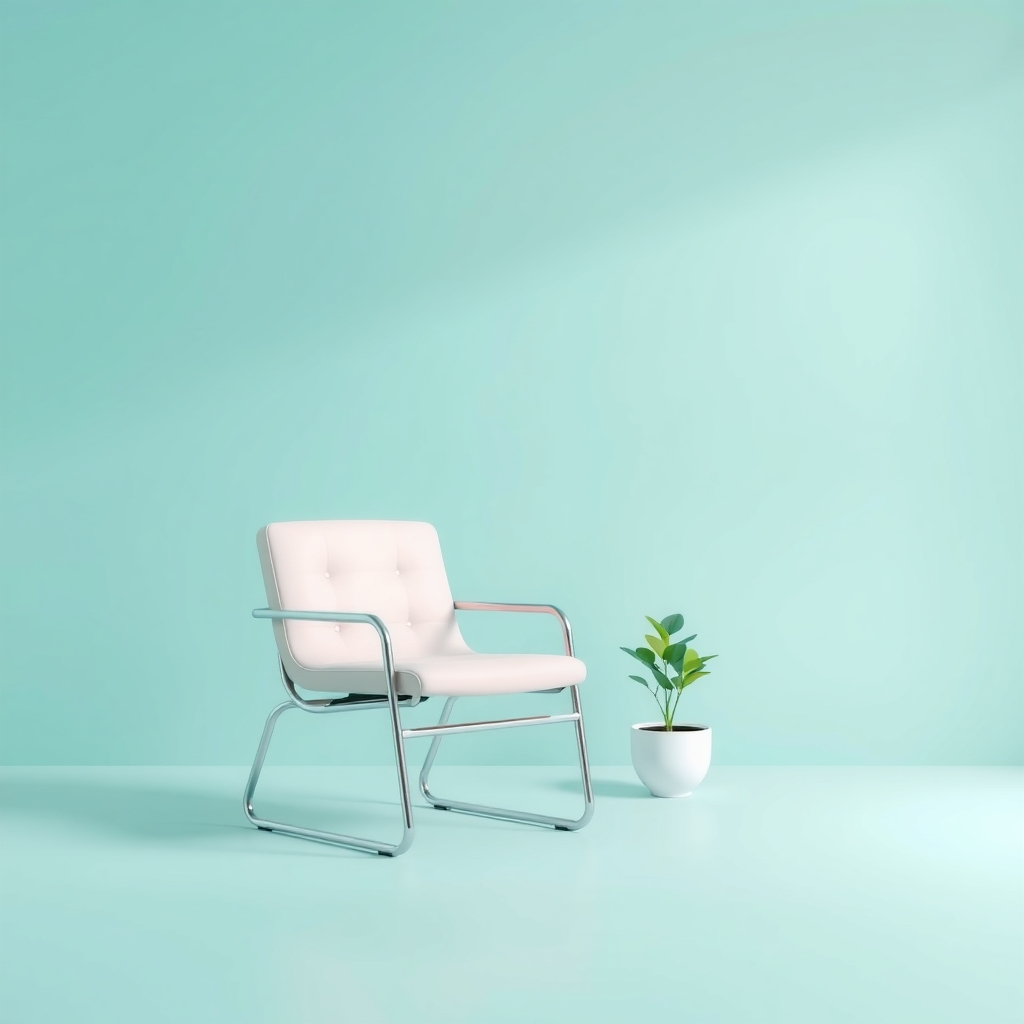
- Use cushioned chairs with armrests, not hard plastic or metal benches, especially for elderly patients and those waiting after procedures.
- Keep at least one row facing away from direct sunlight or glare from windows.
- Leave 18-24 inches between seats so strangers do not sit shoulder to shoulder, which many Indian patients find uncomfortable post-pandemic.
- Provide a low table or shelf for bags, phones, and water bottles rather than making patients hold everything.
Wait-time transparency beats a perfect room
Uncertainty, not the wait itself, is usually the bigger irritant. A patient told "doctor will see you in 15 minutes" tolerates the wait far better than one left guessing.
- Have the front desk verbally update anyone waiting more than 10 minutes past their slot.
- Use a simple whiteboard or digital display showing current consultation number versus token number.
- If you use WhatsApp for appointment reminders, send a short update when the doctor is running late so patients can plan their arrival instead of sitting idle.
| Wait duration | Patient tolerance without update | Patient tolerance with update |
|---|---|---|
| Under 10 minutes | High | High |
| 10-20 minutes | Moderate, growing irritation | High, if informed early |
| Over 20 minutes | Low, likely to complain or leave | Moderate, especially if alternative offered |
Ambience: small environmental fixes
- Keep the AC or fan set so the room is neither cold nor stuffy; temperature complaints are common in Indian reviews.
- Use soft, warm lighting rather than harsh white tube lights near the seating area.
- Play low-volume instrumental music or news with subtitles instead of loud TV audio that competes with staff conversations.
- Keep the reception counter visible from every seat so patients do not feel forgotten.
Small touches that patients actually mention in reviews
- Free drinking water and paper cups visible near the entrance.
- A clean, stocked washroom, checked at least twice a day.
- Reading material relevant to dental care, not outdated film magazines.
- A simple signage explaining common procedures and rough costs, which reduces anxious guessing about bills.
- A staff member acknowledging patients by name when they arrive, especially for repeat patients.
Turning waiting room experience into referrals
Patients rarely write a five-star review because of the treatment alone. They write it because the whole visit felt smooth: easy booking, short and informed wait, clean space, and courteous staff. Ask satisfied patients for a Google review right at the reception desk while the experience is still fresh, rather than relying only on a follow-up message days later.
If your clinic already uses a WhatsApp-based booking or reminder system, extend it slightly to include wait-time updates and post-visit review requests. This closes the loop between a good in-clinic experience and the online reputation that brings in the next patient.
A simple monthly checklist
- Test every seat for comfort and wobble.
- Check AC, lighting, and washroom cleanliness on a fixed schedule.
- Review front-desk scripts for wait-time updates.
- Read the last 20 Google or Practo reviews for any waiting room mentions.
- Fix the one recurring complaint before adding anything new.
None of this requires a renovation budget. Most clinics see a noticeable shift in patient mood and reviews within a few weeks of fixing seating, temperature, and communication alone.
See what Klyient can do for your clinic
Marketing across Meta, Google and your website. AI answering every enquiry. Your whole clinic on one app.
Frequently asked questions
How many chairs should a small dental clinic waiting room have?
For a 1-2 chair clinic, plan for 6-8 waiting seats plus standing room. Indian patients often bring one attendant, so double your daily peak patient count when sizing the room.
Does a TV or music actually reduce perceived wait time?
Yes, mildly. Studies on service waits show occupied time feels shorter than idle time. A muted TV with captions, magazines, or oral health videos work better than silence, but they do not replace clear wait-time communication.
What is the cheapest way to improve the waiting room this month?
Fix the wait-time gap first. A printed or WhatsApp update on delay, working AC or fan, clean washrooms, and one comfortable chair type across the room cost very little but change the experience the most.
Should I show real-time queue status to patients?
Yes if you can do it accurately. Even a simple front-desk announcement or WhatsApp message saying doctor is running 20 minutes late reduces frustration far more than saying nothing and letting patients guess.